


The IEA has published the latest edition of its report „State of Energy Innovation”.
The paper highlights that energy technologies now represent global markets worth trillions of dollars and the energy sector is increasingly becoming a driver of innovation, through batteries, transformers, turbines, motors and heat exchangers, and other complex technologies for industrial performance, energy storage and emissions reduction.
The energy sector is one of the top areas for innovation. Around 1 in 10 patents worldwide is energy-related. The energy sector is ahead of important areas such as chemicals, pharmaceuticals or transportation. This indicates both the dynamism of the sector, which is attracting the interest of researchers, and its importance for global economic performance.
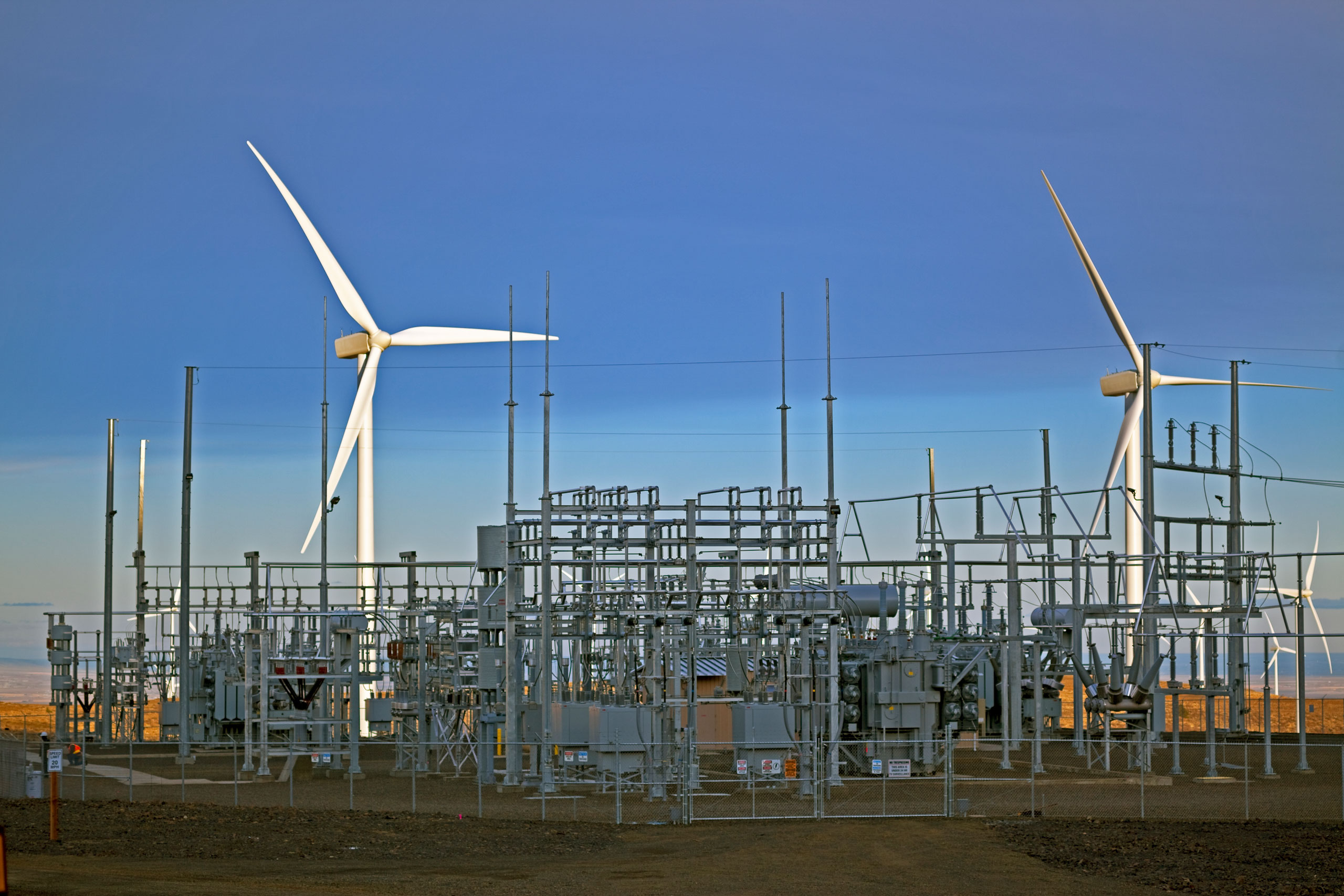
Innovation is the answer to today's big challenges, and experts consulted by the IEA say the main drivers of innovation are energy security, the desire for affordable energy prices and cutting emissions.
STORAGE - THE STAR DOMAIN FOR GLOBAL INNOVATION
Energy storage has moved to the forefront of global innovation, and this is an indication of its growing importance in energy security as well as system stability. Batteries accounted for 401TPTP7T of all energy patents in 2023, but preliminary data from 2024 and 2025 indicate that this percentage is likely to have increased.
HOW IS INNOVATION FUNDED GLOBALLY?
Global public spending on energy research and development (R&D) was estimated at $55 billion in 2025. During this period, venture capital investment in energy technology start-ups declined for the third consecutive year to USD 27 billion in 2025.
The authors of the study note that sustained and well-targeted public support remains essential, and this is made possible by aligning energy innovation strategies with broader competitiveness and resilience objectives.
R&D (research and development) spending by companies operating in energy-related sectors continued to increase in 2024, but remained below 2015 levels. Of the sectors, the automotive industry dominates energy R&D, with around USD 85 billion invested in vehicle efficiency and electrification.

WHAT TYPES OF TAX INCENTIVES ARE GRANTED GLOBALLY?
After years of growth, funding for energy innovation seems to be entering a phase of slower growth and changing priorities. But innovation takes time, and its impact is not only short term; a technical breakthrough can become operational years later, when the optimal economic conditions are in place. This is why, to support the R&D area:
- Governments can reduce the tax liabilities of firms that carry out R&D, invest in first-of-a-kind or early-stage projects or generate output from such projects.
- Governments can prioritize procurement of goods and services using emerging technologies (particularly important in sectors such as construction and transport).
- There may be publicly backed offtake contracts and revenue guarantees.
THE FUTURE OF TECHNOLOGY SUPPORTED BY PUBLIC POLICY
Policy interventions to strengthen industrial competitiveness are at the forefront globally.
Priority objectives include:
- Supply chain resilience;
- The need for long-term energy storage for security of electricity supply and grid resilience;
- Long-term industrial strategies with new approaches to low-emission hydrogen and carbon dioxide removal;
- Easier access to finance and advisory services.
For example, the EU has increased funding for the InvestEU Advisory Hub (the EU's advisory and technical assistance mechanism for investment projects) and renewed project development assistance for Innovation Fund applicants, while the European Investment Bank (EIB) has launched the TechEU platform to accelerate technology investment.

EMERGING AREAS AND EXAMPLES OF OPERATIONAL PROJECTS
The areas where innovation is attracting more consistent funding are nuclear fusion, nuclear fission, critical minerals, geothermal energy (for example, the European Innovation Fund awarded a $100 million grant to Eavor Technology Inc. for the Geretsried project in Germany), carbon dioxide removal and low-emissions industry, according to the study. In these areas, funding has increased significantly since 2021, largely offsetting the decline in investment in electric mobility.
Projects putting innovative technologies to work include carbon storage. In 2025, Northern Lights, a joint venture between Equinor, Shell and TotalEnergies, received the first shipment of CO₂ captured from a cement factory in Norway at a newly built terminal and injected it into underwater geological formations.
