


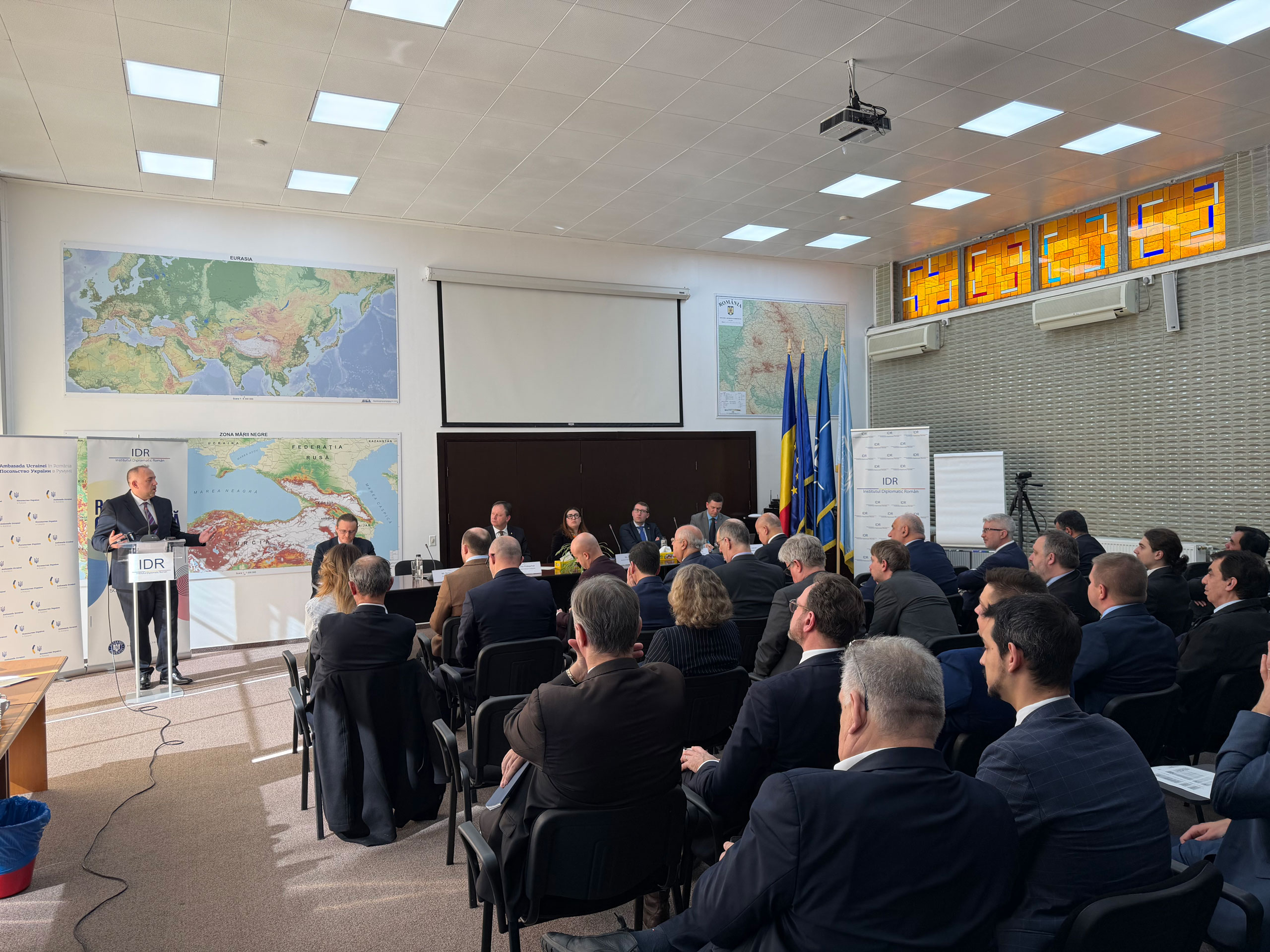
On February 26, the conference „Ukraine's Wartime Energy Crisis: Between Survival and Regional Assistance”, organized by Romanian Diplomatic Institute, in partnership with Federația Patronală a Energiei.
The event marked four years of war in Ukraine, highlighting the impact of the conflict on Ukraine's energy infrastructure and solutions for strengthening regional cooperation on energy security.
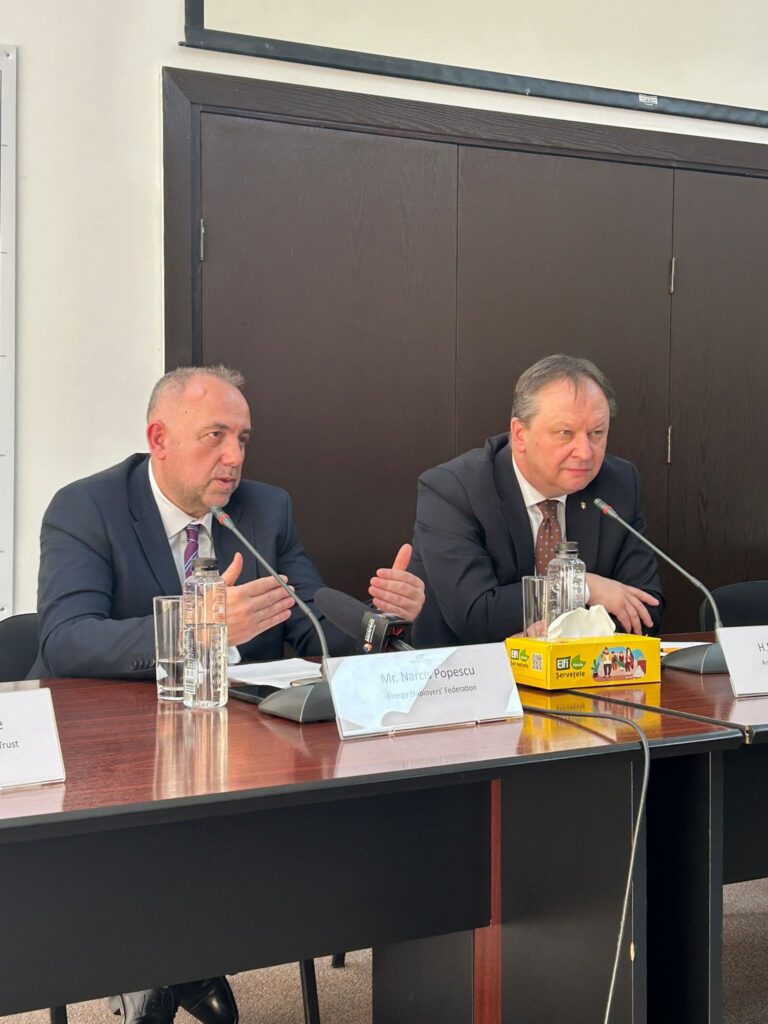
The conference was attended by the Ambassador of Ukraine, E.S. Ihor Prokopchuk, and the State Secretary at the Ministry of Foreign Affairs Ana Cristina Tinca.
Narcis Popescu, Director Business Development Gas&Power, OMV Petrom, participated as a speaker at the event. In his intervention, he emphasized actions taken to secure energy supply in the region, good practices in this situation, Romania's involvement and prospects for the next period.
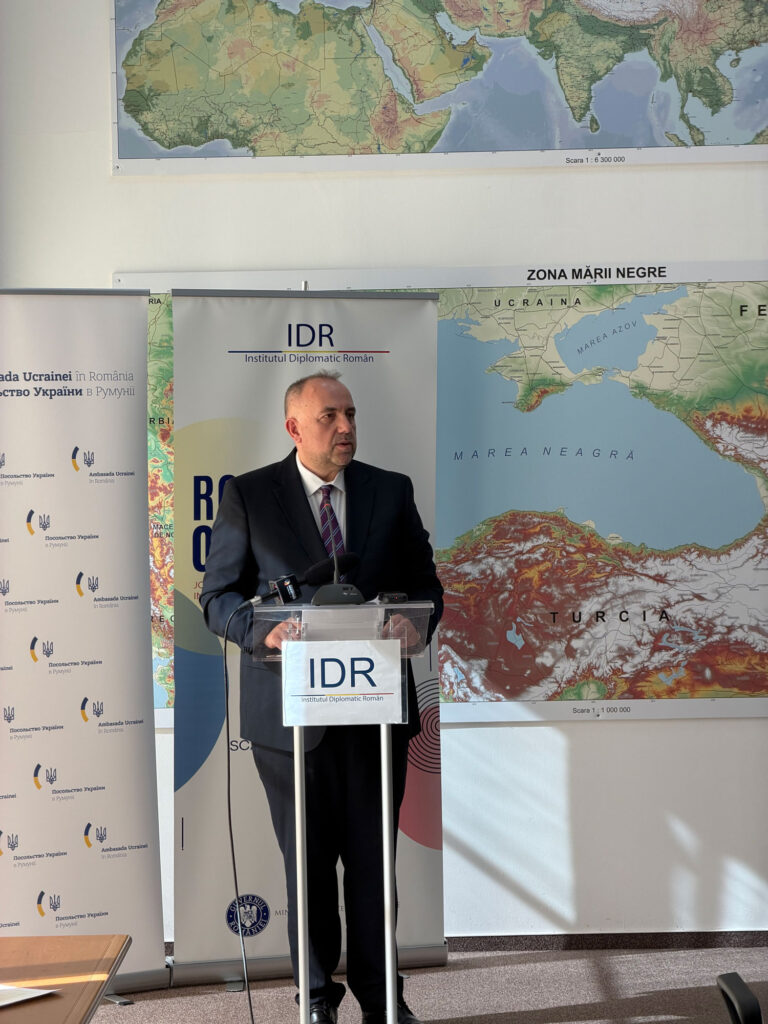
Key intervention points:
- Ukraine is experiencing systematic attacks on power generation, transmission and distribution infrastructure with a significant humanitarian dimension, affecting hospitals, water supply systems, industrial and civilian targets. In addition, disruptions in Ukraine's energy system also affect neighboring countries.
- System resilience is built on multiple levels - physical protection, redundancy, digital security and rapid repair capability.
- Interconnectivity is proving essential, with cross-border links becoming a source of security.
- Regulatory flexibility and diversification of energy sources are essential for rapid action.
- Public-private partnership is also an important pillar, as energy companies have proven logistical agility that complements action at government level.
- Romania and member companies of the Energy Employers' Federation can continue to get involved on several levels: providing know-how for infrastructure repair and modernization, supporting energy supply by optimizing existing interconnections, facilitating the supply chain, developing joint financing platforms with the support of European partners.
- In future, the focus will shift from emergency action to structured, long-term cooperation.
